Solar panels in supermarkets: Could DIY be the answer to the energy crisis?
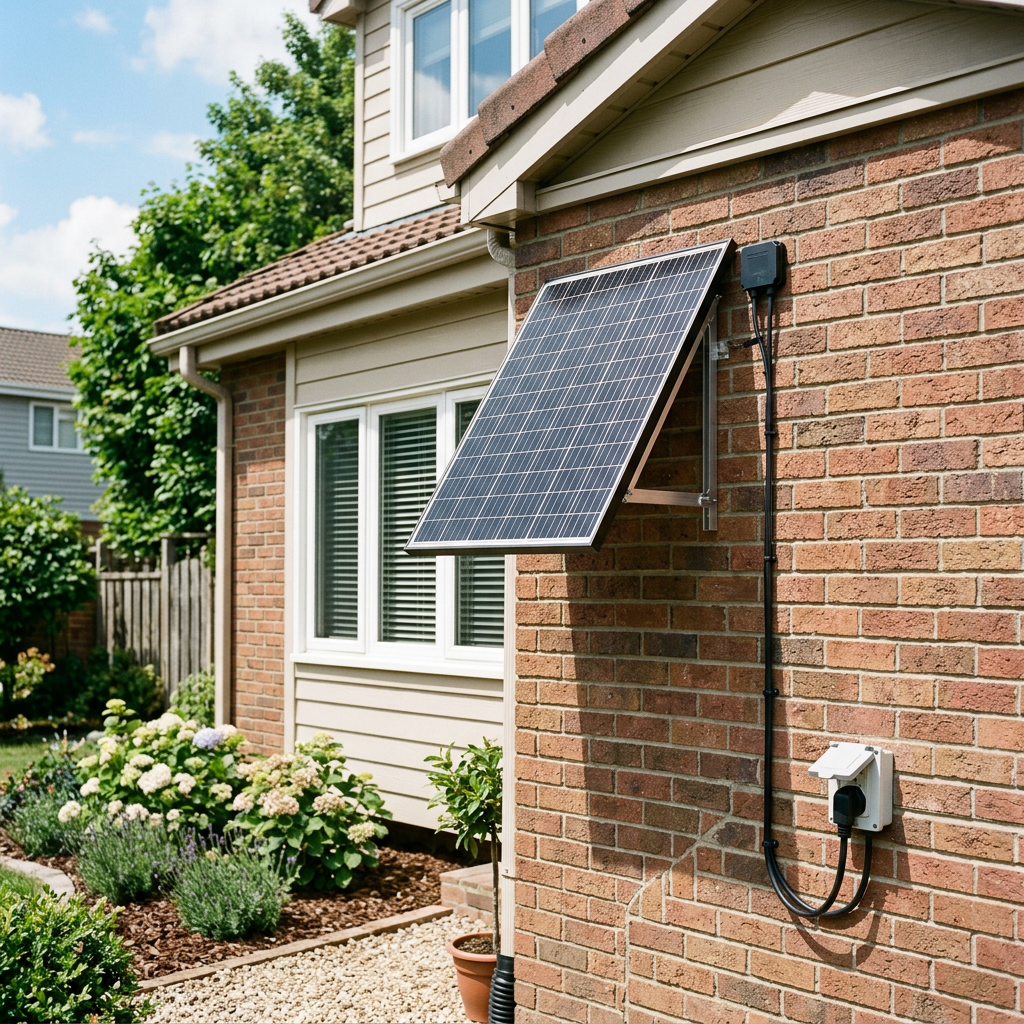
The UK government has recently released its plans for plug-in solar panels to be sold in supermarkets, following ongoing pressures on energy due to the conflict in the Middle East. This has the intention of decreasing dependence on fossil fuels to move the UK closer to becoming carbon neutral by 2050. It also has the potential to reduce the cost of energy bills, which would be incredibly helpful for millions given the current cost of living crisis. With all these apparent benefits, will it live up to to expectation?
What are plug-in solar panels?
Plug-in solar panels are smaller versions of industrially used panels, which can hold smaller amounts of energy. They can be plugged into any socket within the household (although British Gas recommend checking sockets before plugging in), and can be installed on balconies or in gardens. The UK government released in March that plug-in solar panels would be widely accessible ‘within months’, with high street supermarkets Lidl and Iceland already signed on. They would cost £500 per household.
How effective are plug-in solar panels?
On paper, the long-term effectiveness of these solar panels is very positive. The 800w solar panels which will be available, can produce on average 400kWh of energy per year, enough to meet 15% of typical household energy requirements. This varies depending on different household needs and appliance use, however Ofgem suggest that the average household uses 2700kWh per year. This means an average household could save £110 on energy bills per year, making back the initial cost in 5 years. The savings would only increase if the price of energy increased.
However their effectiveness in reality relies on a couple of things. Firstly, participation from the public. It is perfectly good to sell plug-in solar panels but if nobody is buying them then it quite dramatically reduces their overall effectiveness. Currently, there is very little awareness of what these solar panels are, when they will be available, and for how much. Germany is the only other country to have implemented this scheme and there have been mixed reviews as to how effective it has been: over 4 million houses have had plug-in solar panels installed since they were introduced in 2019, only a fraction of the 43 million homes in Germany. However the political and economic environment is very different at the moment so any savings would be incentivising for many.
The other problem is that the amount of solar energy which solar panels generate is dependent on their position and the amount of sun available to them. To maximise effectiveness, solar panels should be placed south-facing and tilted 40 degrees according to The Climate Brief. This could generate up to 820 killowatt hours per year in London, saving an average household even more in energy bills each year. Obviously not all households have access to a south-facing surface so would not be able to maximise the benefits, which is a huge limitation of these solar panels.
There are also many environmental benefits for using these solar panels. The biggest one being, as mentioned above, that it reduces the reliance on fossil fuels to be able to meet 2030 goals. All the energy which is generated by solar panels is completely clean and renewable, since the lifespan of these panels is around 15 years. This is an effective step towards becoming carbon neutral, especially as fossil fuels are projected to run out in the next 25 years. Having solar panels also means that countries such as the UK can be self sufficient during wars which impact energy availability (such as the current conflict), leading to more stable prices and agency over energy.
Summary:
The accessibility of these solar panels make them much more widely available to people who might not be able to afford a full rooftop setup but who still want to make savings. However, they only offset a small amount of energy, so are not the most environmentally sustainable option when it comes to energy savings. In conclusion: while it is not a solution, it is definitely a step in the right direction when it comes to self-sufficient, sustainable energy.
Links
Below are the organisations from which the statistics which informed this post were obtained:
https://www.gov.uk/government/news/government-to-make-plug-in-solar-available-within-months
https://www.carbonbrief.org/analysis-how-plug-in-solar-can-save-uk-homes-1100-on-energy-bills/
https://www.ofgem.gov.uk/average-gas-and-electricity-use-explained
 The Sustainable Lens